







ESL/ELL Literacy Diet
Overview
Achieving fluency in a second language requires years of practice and encouragement. ELL students follow the same trajectory for literacy development as students who are learning in their first language. Students' first language development and knowledge in literacy are important indicators of their ability to acquire English language literacy. Initial assessment is necessary to determine proficiency in English. Proficiency levels may be divided into three categories: Emerging, Developing and Expanding. Profiles of each level are provided briefly in the middle column of this page as well as in extended versions in the other tabs of this ELL section. Students' proficiency levels are not dependent on age and, although this site is focused on elementary grade students, the basic principles can be adapted to suit the age and maturity of older English Language Learners (ELLs) as well.
Areas of Assessment and Instruction
When working with ELLs, it's important to assess and support language development in the following three areas:
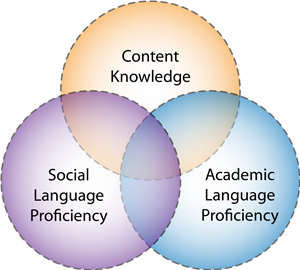
1. Social language proficiency: Communication in everyday language
2. Content knowledge: Knowledge of curriculum content
3. Academic language proficiency: Language and concepts required for understanding and communicating curriculum content
Social language will develop faster, whereas academic language will require more time and practice using multiple strategies. Thus, variety and flexibility of assessment is needed to provide a fair and authentic understanding of students' progress. ELLs may have content knowledge acquired in their first language that can support development of content knowledge in their second language of English. Content knowledge development is further supported by academic and social language proficiency.
Key Terminology
ELL: English Language Learner is the term most commonly used to describe individuals whose native language is not English.
ESL: English as a Second Language learner is a term previously used to describe ELLs.
L1: Language 1 – ELL students' home language and first language learned
L2: Language 2 – The language learned after one's first language
Resources
Colorin Colorado is an outstanding ELL resource for teachers and parents (in Spanish and English).
Reading Rockets, a companion site to Colorin Colorado, is a comprehensive research-informed literacy website that includes extensive information about all aspects of literacy education.
The Center for Applied Linguistics (CAL) promotes language learning and cultural understanding by serving as a trusted source for research, resources, and policy analysis.
Reading 101 for English Language Learners highlights ELL instructional strategies based on the five foundational components of reading.
Expert and Teacher for ELLs Popular Blog: Exceptional Teacher with ELL and author of multiple books focused on instruction of ELLs.
Levels of Proficiency and ELL "Healthy Plates"
 |
 |
 |
|
Emerging Proficiency |
Developing Proficiency |
Expanding Proficiency |
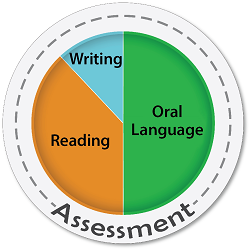
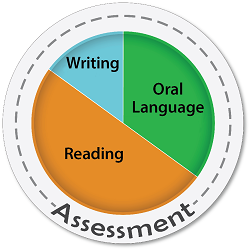
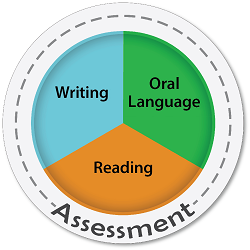
These "healthy plates" cater specifically to literacy development in English language learners at three different proficiency stages. While oral language, reading, and writing are all important for developing English language proficiency, there is a different balance at each stage. Understanding of language develops earlier than expression. At the Emerging Proficiency level the focus is on oral language development: listening to and speaking new vocabulary. As English proficiency progresses to the Developing level there is a greater focus on reading. This is an important step both for language development and to access content knowledge. Finally, when students reach the Expanding Proficiency level, there is a more even balance between oral language, reading, and writing.
EMERGING proficiency
|
|
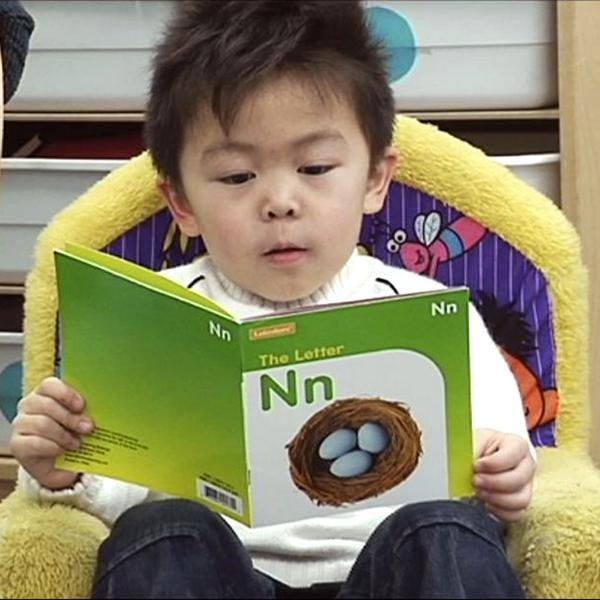
ELLs at the Emerging Proficiency level are still taking in the language. The focus is on listening to and absorbing English, however words and short phrases may be spoken. Many errors will occur at this stage and encouragement is important. Not all students begin at same level of proficiency– their level of language and literacy in their L1 can play a role in how they begin to learn their L2. |
DEVELOPING proficiency
|
|
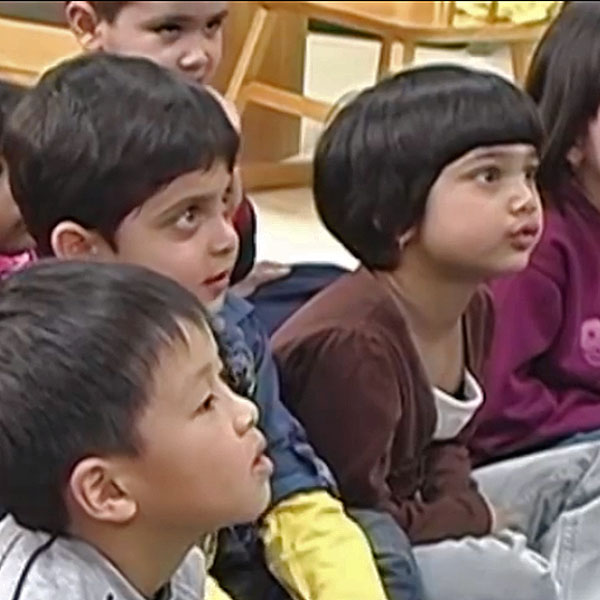
ELLs at the Developing Proficiency level can speak fairly fluently in social situations with few errors. Students will demonstrate some higher-order thinking skills in English. However, new academic content is still challenging due to gaps in vocabulary. The focus at this stage is on developing students' reading skills through exposure to a variety of text and engaging ELLs in literacy. |
EXPANDING proficiency
|
|
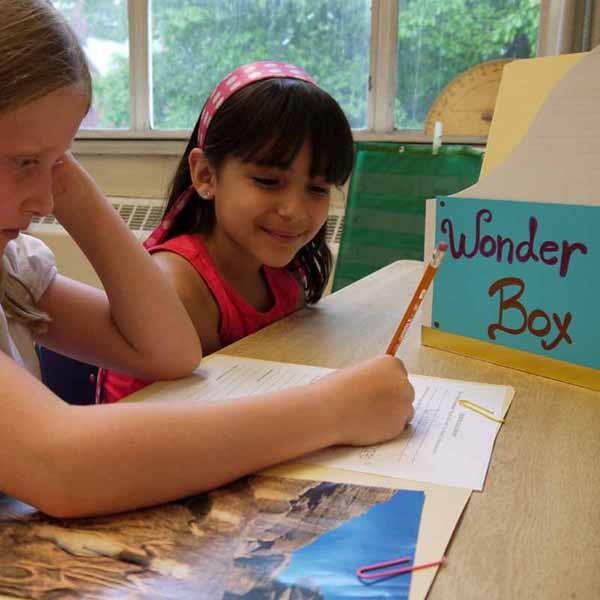
ELLs at the Expanding Proficiency level require a special focus on writing skills. By this point students are "reading to learn" and need encouragement to utilize their learned academic vocabulary in written work. In addition students must be given many opportunities to consolidate and expand their oral communication skills in both academic and social contexts. |
ASSESSMENT
|
|
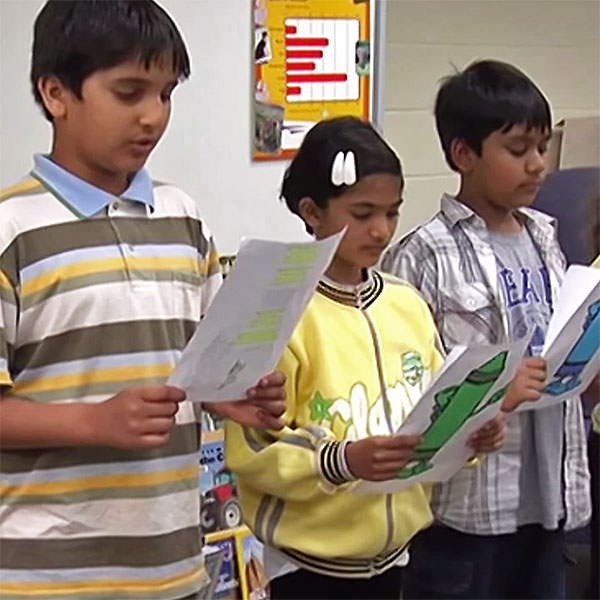
Assessment of language proficiency is essential to tailoring instructions to meet specific language needs. Although schools usually have protocols for assessing ELLs, it is important for teachers to conduct their own initial assessments. Ongoing assessments are especially important for ELLs. The best measure for an ELL's real language proficiency development comes from performance in class, not standardized tests. |
Expert Insights
Dr. Jim Cummins dismisses a widely-held myth about the influence of home language use and the development of literacy.
First Language Communication in ESL Context: Value of Rich Communication in Any Language
Speech and Language Expert outlines the various oral language processes that support different aspects of literacy development.
Break It Down: Identifying the Role of Oral Language in Reading
An Experienced ESL/ELL Teacher talks about how she motivates students.
Building Trust with Older Students: The Role of Relationships in Motivation for Literacy
Dr. Esther Geva discusses similarities and differences between oral language and written language learning processes in L1 and L2.
First and Second Language Literacy: Similarities and Differences
Another important question posed by Dr. Geva is whether assessment in an ELL student's home language is essential to understanding their reading and writing performance in English.
First Language Assessments for ELLs: Dr. Esther Geva Discusses Testing Strategies
